Why We Took Our UI/UX Back to Zero — And What's Coming Next
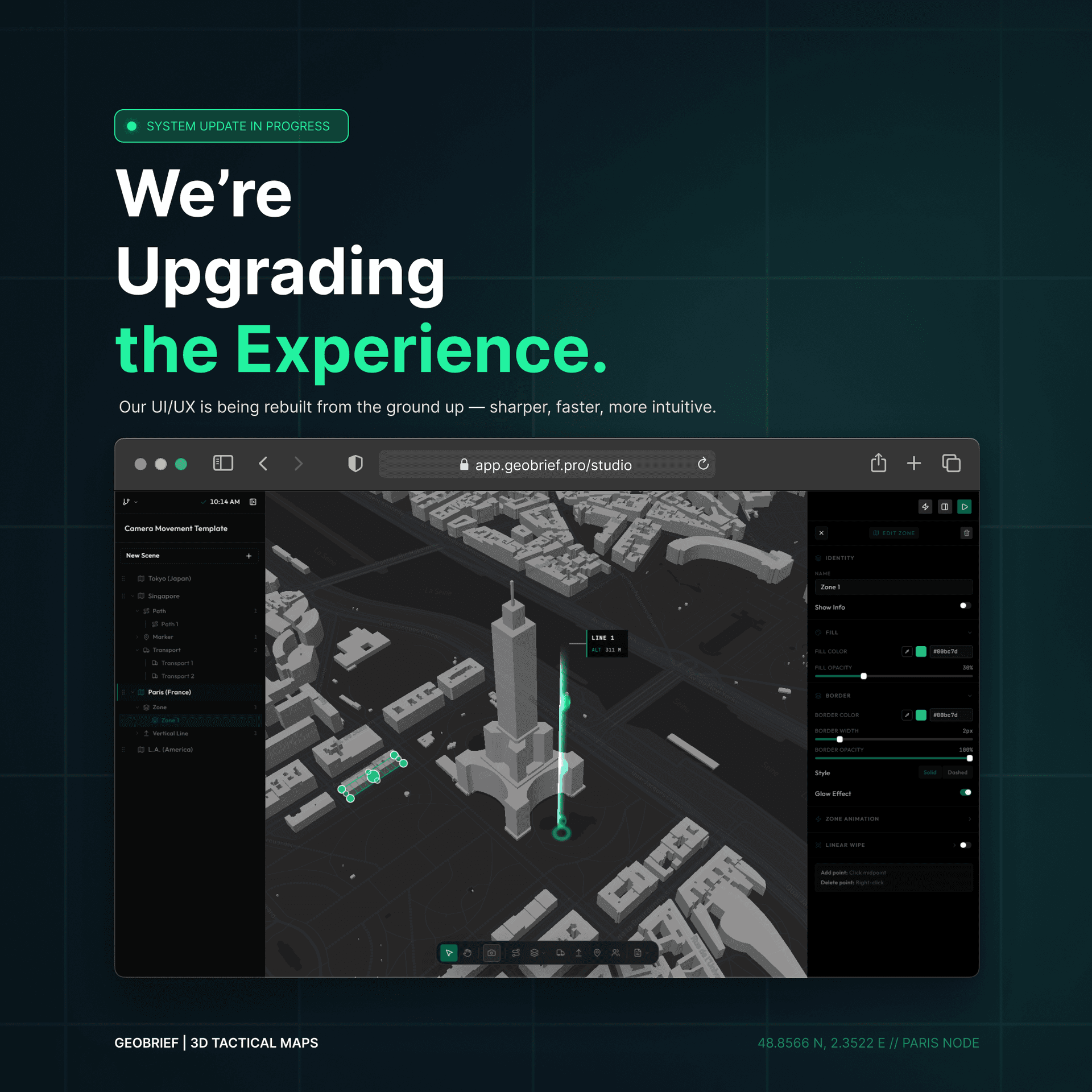
We have never been the kind of team that ignores hard truths. So when we looked at our previous interface and heard the feedback from our users, we made a decision that was uncomfortable but necessary: tear it down and start over.
This post is about that decision — why we made it, what we learned, and what we are building toward.
The Problem We Could No Longer Ignore
When we first launched 3D Tactical Maps, our primary focus was on the core capability: giving analysts, researchers, content creators, and data journalists the ability to visualize geospatial data in three dimensions without requiring a GIS background. We believed that if the underlying technology was powerful enough, the interface would follow.
We were wrong.
Over time, it became clear that a significant portion of our users were not getting the most out of the product — not because the features were missing, but because accessing them felt unnecessarily complicated. The navigation was inconsistent. Key controls were buried. The visual design did not communicate hierarchy or intent. In short, the experience felt like it was built around the system, not around the person using it.
That is not the product we set out to build.
Why UI/UX Is Not a Secondary Concern
There is a persistent misconception in software development that UI/UX is a layer applied on top of a finished product — a coat of paint after the real work is done. We fell into that trap ourselves.
The reality is that interface design is product design. How a user moves through a tool, how quickly they find what they need, how confident they feel at each step — these things determine whether a product becomes part of someone's workflow or gets abandoned after a trial period.
Our data reflected this. Users who found their footing early and could navigate fluidly stayed. Users who struggled in the first few sessions rarely returned. No amount of feature additions was going to fix a foundation that made the tool feel harder to use than it should be.
We had to address the root of the problem.
How We Are Approaching the Rebuild
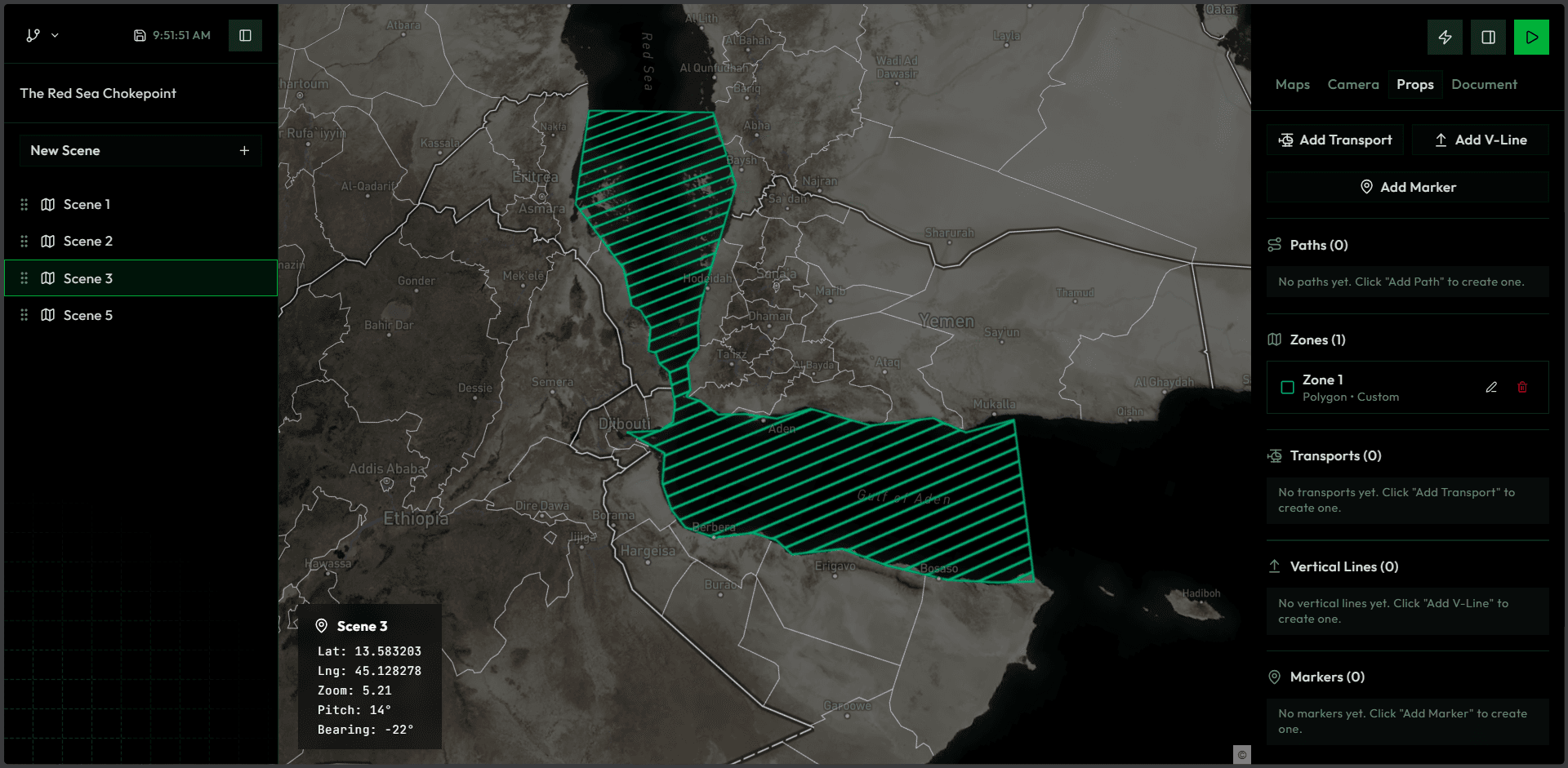
The new UI/UX is not a reskin. It is a structural rethink of how every part of the product presents itself to the user.
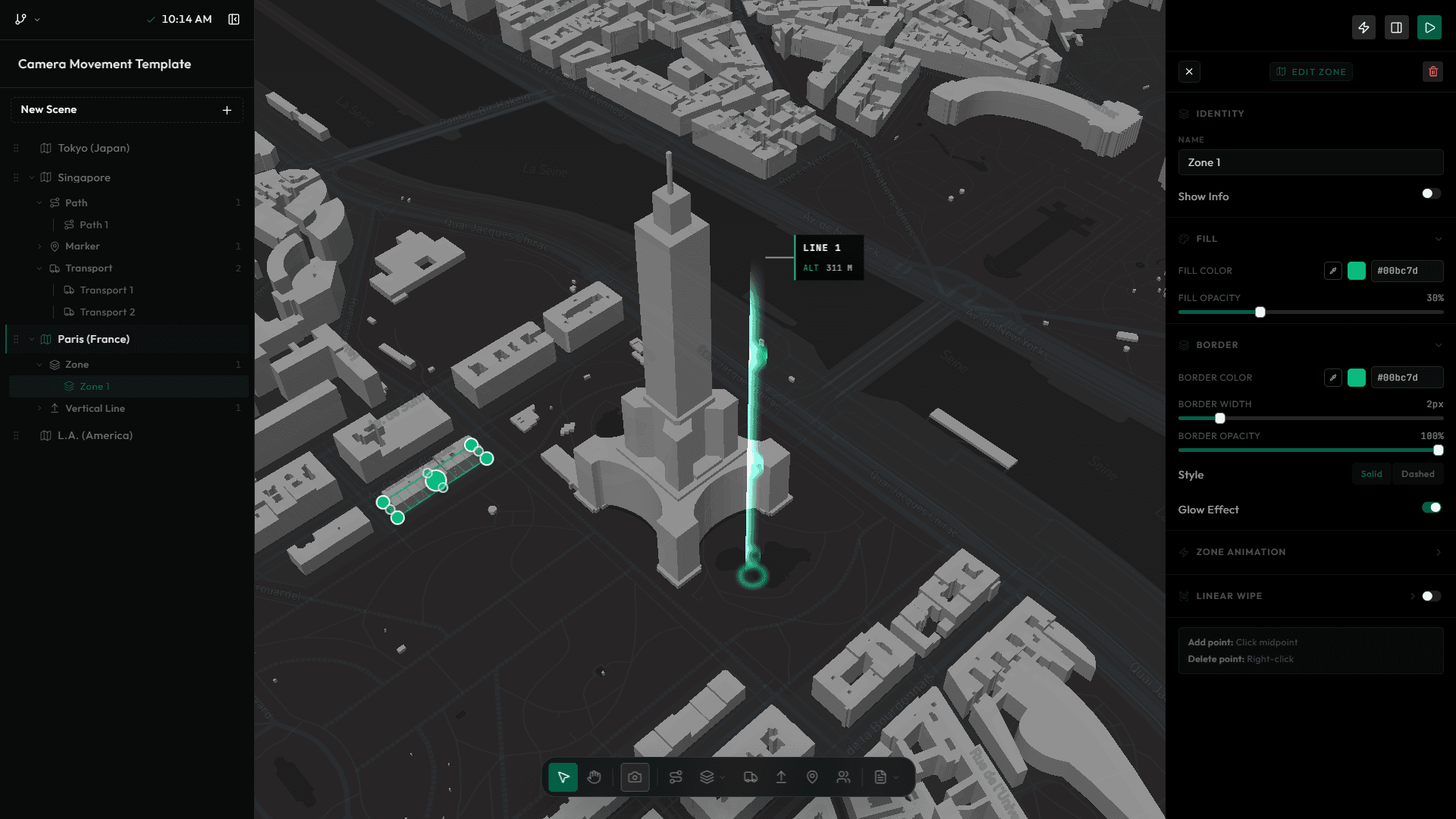
We started by auditing every interaction point in the existing product and asking a simple question: does this serve the user, or does this serve the system? Anything that answered in favor of the system was flagged for redesign.
From there, we established a clearer visual language — one with consistent hierarchy, purposeful use of color and space, and interface elements that behave predictably across every part of the application. The goal is that a new user should be able to orient themselves within minutes, and an experienced user should never have to think about where to find something.
We also paid close attention to the environments our users work in. Analysts running long sessions need an interface that does not create cognitive fatigue. Content creators working under time pressure need controls that respond immediately and intuitively. The new design accounts for both.
What Users Can Expect
The forthcoming version of 3D Tactical Maps will feel meaningfully different from the moment it loads. Some of the changes are visible and immediate — the layout, the control panels, the way scenes and layers are organized. Others are felt rather than seen: the pacing of transitions, the responsiveness of controls, the reduction in the number of steps required to accomplish common tasks.
We are not announcing a specific release date yet, because we would rather ship something right than ship something fast. What we can say is that internal testing has already shown a significant improvement in how quickly new users are able to complete their first project — and that is the metric that matters most to us.
A Note to Our Current Users
If you have used 3D Tactical Maps and found the experience frustrating at times, we understand. That feedback, whether it reached us through support channels, community discussions, or simply in the form of users not coming back, was heard.
The rebuild underway is a direct response to that. We take the responsibility of your time seriously, and we believe the upcoming version will reflect that commitment.
We will be sharing more previews as development progresses. If you want to be among the first to experience the new interface, keep an eye on our announcements.
Ready to upgrade your visual briefings?
Experience broadcast-quality 3D map animations directly in your browser.
Explore GeoBrief Pro